

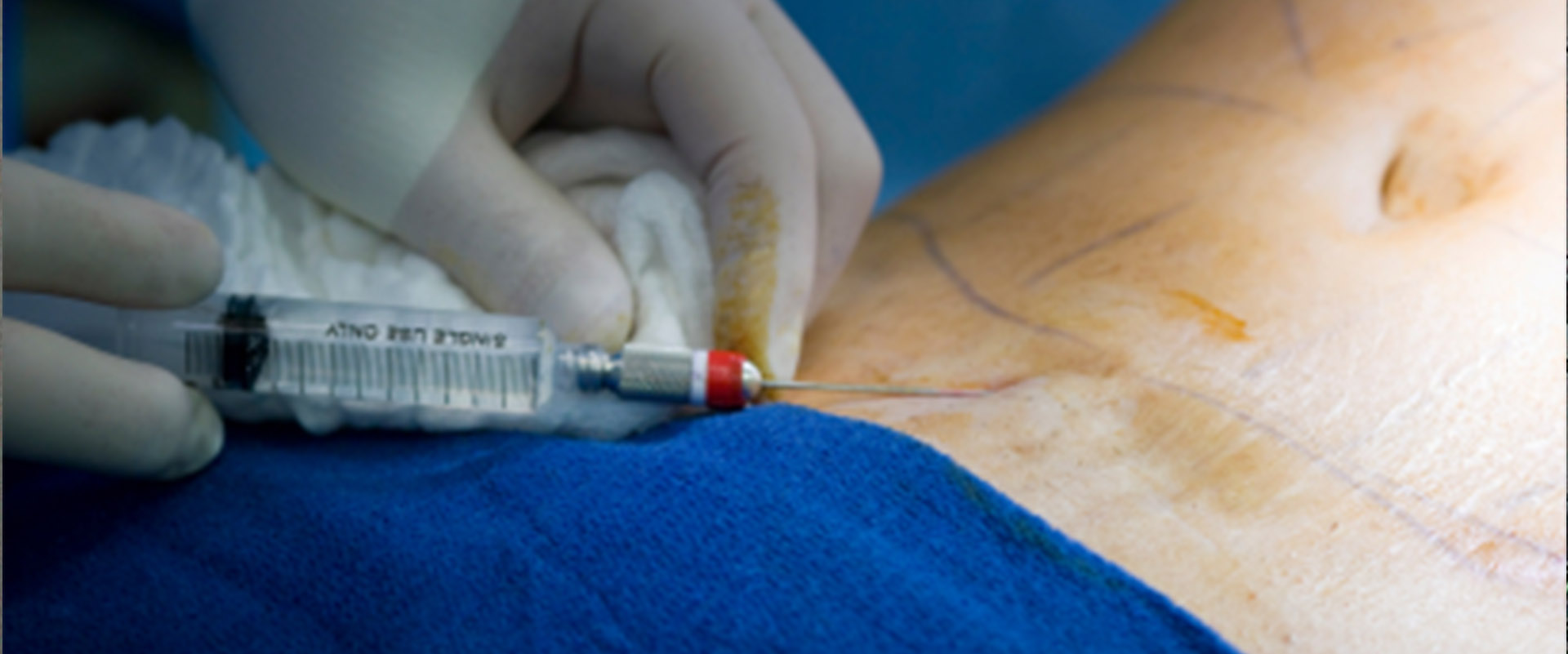
Description:
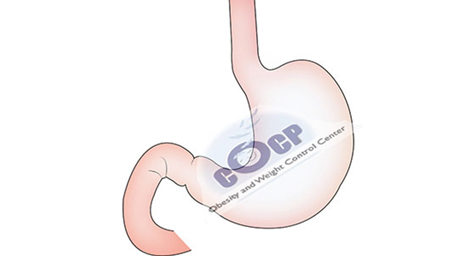
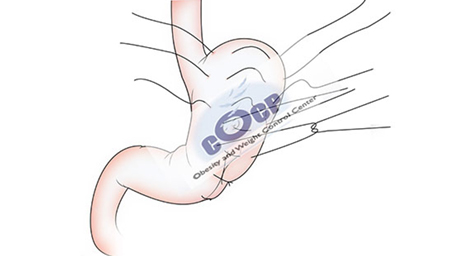
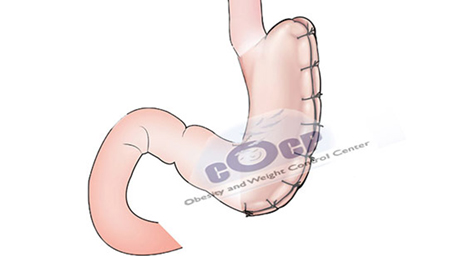
This restrictive procedure is based on reducing the size of the stomach, by sewing one or more gastric fold starting from the greater curvature of the stomach. This sewing is calibrated over an orogastric tube introduced peroperatively by the anesthesiologist.
This will allow a reduction of 70% of the gastric capacity, will limit the amount of the food that you are eating and provoke an early fullness. In this technique, no cutting or stapling or resection of the stomach is needed which will allow any possible redo surgery in case of failure. The operative time varies between 60 and 90 minutes.
Advantages/Disadvantages
The advantages of gastric plication are:
The disadvantages of gastric plication are:
Results
Although this new promising intervention is experimental, it will achieve 60-70% EWL (Excess Weight Loss) during the following year. As with all weight loss procedures, behavior modification and dietary compliance plays a critical part in determining the long term success of this procedure. The mortality and morbidity rate of this procedure are extremely low (0.05-0.7%) and limited to early postoperative complications.
The main concern remains about the mid and long term results and the strict postoperative follow-up.
The redo surgery can be a sleeve gastrectomy, a mini gastric bypass, a Roux-en-Y gastric bypass or even more complex surgery such as biliopancreatic diversion and duodenal switch. Replication is also an option as well as banded gastric placation.
Complications
Although all bariatric procedures present risks, most patients will not have postoperative complications. Weight, age and medical history determine your specific risks. These potential risks are not more dramatic than those of any open or laparoscopic procedure (such as appendectomy, hernia repair or gallbladder removal).
One should always keep in mind that the potential risks of obesity surgery are outweighed by its benefits. Thus all kind of possible complication are evoked and explained thoroughly prior to the procedure.
Specific complications for gastric plication are:
Our experience
Since it is a recently growing restrictive procedure, we have performed almost 123 Gastric Plications since 2011. This experimental procedure is performed almost weekly in our center. The results are still lacking but important weight loss is observed on short follow-up.